The average hospital operating room now contains between 15 to 20 connected medical devices, and that number keeps climbing. From surgical robots to patient monitors, infusion pumps to anesthesia machines, these devices communicate with each other and hospital networks in ways that would have seemed impossible just a decade ago. This transformation represents the growing presence of the Internet of Things (IoT) in healthcare, particularly in operating rooms where every second counts and precision matters most.
IoT in the operating room has changed how surgical teams work, how hospitals manage resources, and how patients receive care. These connected systems enable real-time data sharing, automated workflows, and predictive capabilities that can prevent equipment failures before they happen. But this connectivity comes with significant responsibilities. As operating rooms become smarter and more interconnected, healthcare facilities face new challenges around medical device security, data protection, and patient safety. The question isn’t whether to adopt IoT technology in the OR, it’s how to implement it in ways that maximize benefits while minimizing risks. This article explores the practical realities of deploying IoT in surgical environments and provides concrete strategies for ensuring these systems enhance rather than compromise patient care.
Understanding IoT Technology in Modern Operating Rooms
Smart operating rooms represent a fundamental shift in how surgical spaces function. Instead of isolated equipment scattered throughout the room, a digital operating room creates a centralized ecosystem where devices communicate seamlessly. Patient monitors share vital signs with anesthesia machines, surgical robots coordinate with imaging systems, and environmental sensors track everything from room temperature to air quality.
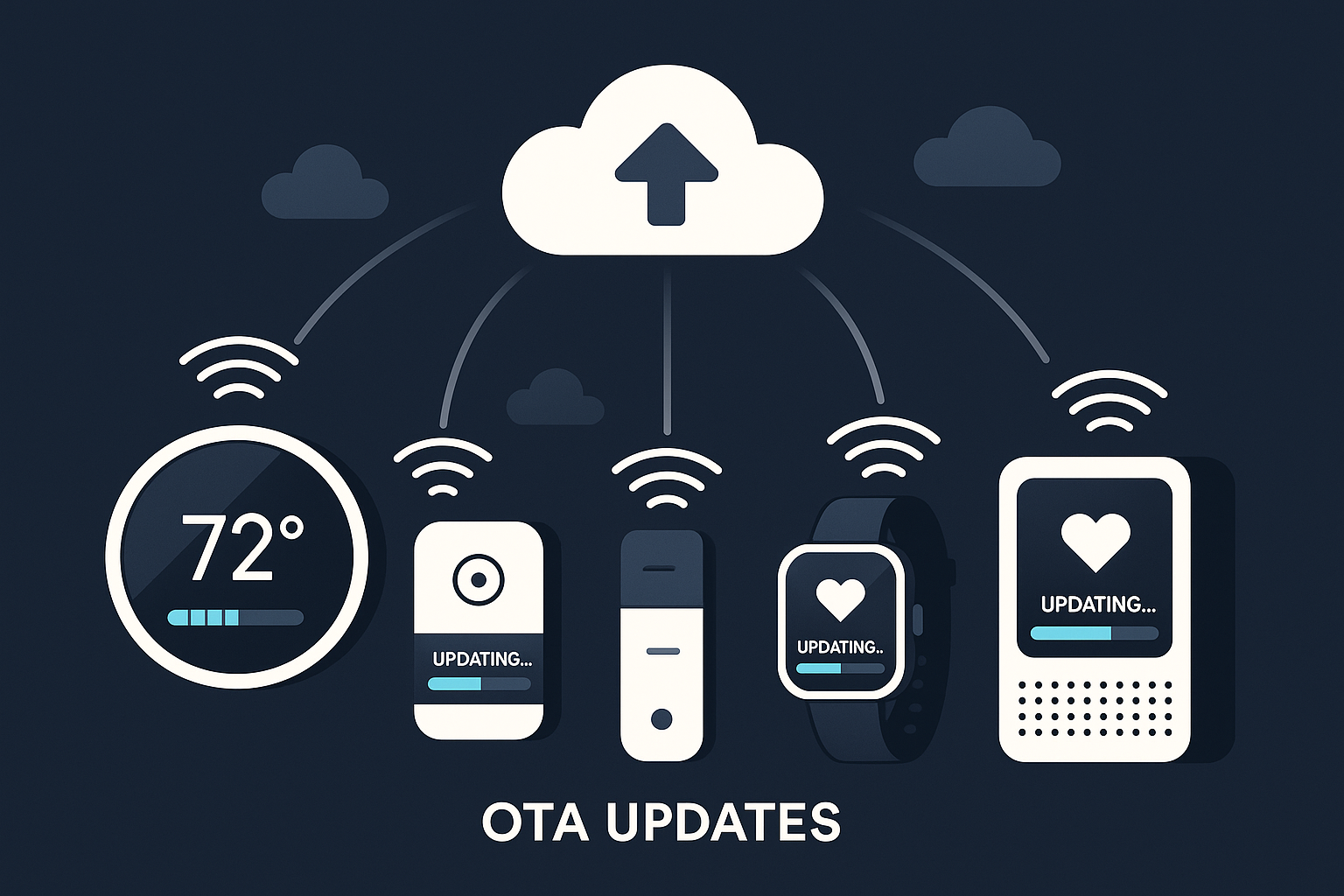
This integration happens through IoT devices that connect to hospital networks using wireless protocols like Wi-Fi and Bluetooth. Each device collects data, processes information, and shares insights with other connected systems. The result is an operating environment where surgical teams have instant access to comprehensive patient information without leaving the sterile field.
Key Components of IoT Operating Rooms
Connected medical devices in modern ORs include:
- Patient monitoring systems that track vital signs, oxygen levels, and cardiac rhythms in real time
- Automated surgical instruments with embedded sensors that provide feedback on positioning and pressure
- Environmental sensors that monitor temperature, humidity, and air filtration to maintain sterile conditions
- Wearable devices for surgical staff that enable hands-free communication and alert teams to potential fatigue
- Asset tracking systems that locate equipment instantly, reducing delays between procedures
- Video integration platforms that capture procedures for training, quality assurance, and remote consultation
These components work together through OR integration systems that create what healthcare technology experts call a “connected ecosystem.” The integration allows data to flow automatically from one system to another, reducing manual entry errors and freeing clinical staff to focus on patient care rather than technology management.
How IoT Improves Operating Room Efficiency
Operating room efficiency has become critical as surgical demand increases and healthcare resources remain constrained. IoT technology addresses this challenge through several practical mechanisms that directly impact daily operations.


Real-Time Asset and Inventory Management
One of the biggest time wasters in traditional operating rooms is searching for equipment. IoT sensors attached to surgical instruments, mobile equipment, and supplies provide instant location tracking. When a surgical team needs a specific device, they can locate it immediately through a centralized dashboard instead of searching multiple storage areas or waiting for someone to bring it from another floor.
This surgical equipment tracking extends beyond simple location monitoring. Smart systems can:
- Track sterilization status and expiration dates automatically
- Alert staff when instrument counts don’t match expected numbers
- Predict when supplies will run low based on surgical procedures scheduled
- Optimize equipment distribution across multiple operating rooms
Workflow Automation and Scheduling
Surgical workflow optimization through IoT reduces the gaps between procedures that cost hospitals time and money. Automated systems track each phase of the surgical process, from patient arrival through discharge, identifying bottlenecks and inefficiencies in real time.
Smart scheduling systems analyze historical procedure data to provide more accurate time estimates, reducing the likelihood of delays that cascade throughout the day. When a surgery finishes early or runs longer than expected, the system automatically adjusts subsequent schedules and notifies affected teams.
Predictive Maintenance
Traditional maintenance schedules for surgical equipment follow fixed intervals regardless of actual usage or condition. IoT enables predictive maintenance by continuously monitoring equipment performance and identifying signs of potential failure before they cause problems.
Sensors track operating temperatures, vibration patterns, and usage cycles to predict when a device needs service. This approach prevents unexpected equipment failures during procedures and reduces unnecessary maintenance on devices that are functioning perfectly.
Enhancing Patient Safety Through Connected Systems
Patient safety remains the primary concern in any operating room, and IoT technology provides multiple layers of protection that weren’t possible with traditional systems.
Continuous Monitoring and Early Warning Systems
Real-time monitoring through connected devices means that patient data flows continuously to multiple systems simultaneously. If a patient’s vital signs show concerning trends, the system can alert the surgical team before the situation becomes critical.
These early warning capabilities extend to environmental factors as well. If room temperature rises beyond safe ranges or air filtration systems show reduced performance, the monitoring system notifies facilities staff immediately.
Surgical Safety Checklists and Compliance
Digital checklists integrated into IoT systems ensure that critical safety protocols are followed consistently. The system can verify that timeout procedures occur before incision, that the correct surgical site is marked, and that all necessary equipment and supplies are available before the procedure begins.
Unlike paper checklists that can be skipped or completed hastily, digital systems require affirmative confirmation at each step and create an auditable record of compliance.
Reducing Human Error
Fatigue and stress affect surgical teams, particularly during long or complex procedures. Wearable medical devices can monitor staff for signs of fatigue, tracking biometric indicators like heart rate variability and stress levels. When the system detects concerning patterns, it can discreetly alert team leaders to consider breaks or additional support.
IoT also reduces errors in medication administration through smart infusion pumps that verify dosages against patient weight and condition, flagging potential mistakes before they occur.
Critical Security Challenges in IoT Operating Rooms
The same connectivity that makes smart operating rooms so powerful also creates significant vulnerabilities. Understanding these cybersecurity healthcare challenges is essential for any facility deploying IoT technology.
The Expanding Attack Surface
Every connected device represents a potential entry point for cyberattacks. Research shows that approximately 82% of healthcare organizations experienced an IoT-focused cyberattack in 2019, and vulnerabilities continue to grow as more devices connect to hospital networks.
Medical device connectivity creates pathways that attackers can exploit to access sensitive patient data, disrupt hospital operations, or even manipulate device functions. Many medical devices were designed before cybersecurity became a critical concern and lack robust built-in protections.
Legacy Equipment and Outdated Software
Operating rooms contain expensive equipment designed to function for 10 to 15 years or longer. Many of these devices run on outdated operating systems that no longer receive security updates. They can’t support modern security software like antivirus programs, and updating them often requires extensive testing to ensure they continue to meet FDA requirements for medical devices.
According to the FDA’s guidance on medical device cybersecurity, manufacturers must consider security throughout the device lifecycle. However, many legacy devices in current use predate these requirements.
Data Protection and Privacy Concerns
Operating rooms generate massive amounts of sensitive health information. Patient records, surgical videos, and real-time monitoring data all flow through hospital network security systems. A single breach can expose thousands of patient records and potentially compromise patient safety if attackers gain access to device control systems.
The average data breach in healthcare costs approximately $4.88 million according to recent research, making security failures enormously expensive beyond the immediate patient safety concerns.
Essential Security Strategies for IoT Operating Rooms
Protecting connected operating rooms requires a comprehensive approach that addresses technical, operational, and administrative security measures.
Network Segmentation and Isolation
Network segmentation creates separate zones within hospital networks, isolating critical medical devices from general IT systems. This approach limits how far an attacker can move through the network if they breach one area.
Implementing Zero Trust principles means that every device and user must authenticate before gaining access to any system, even if they’re already connected to the hospital network. This prevents lateral movement by attackers who might compromise a single device.
Encryption and Secure Communication Protocols
All data moving between IoT devices in the operating room should be encrypted both in transit and at rest. This ensures that even if attackers intercept communications, they cannot read or manipulate the information.
Modern encryption protocols protect:
- Patient data flowing between monitoring devices and electronic health records
- Control signals sent between OR integration systems and connected equipment
- Video feeds from surgical cameras to recording and streaming systems
- Authentication credentials used to access device management interfaces
Regular Security Assessments and Updates
Healthcare facilities should conduct regular vulnerability assessments of their connected medical devices and OR infrastructure. This includes:
- Maintaining accurate inventories of all connected devices, including their software versions and security patches
- Testing systems for known vulnerabilities and addressing them promptly
- Developing incident response plans specific to medical device compromise
- Training staff to recognize and report potential security issues
Working with device manufacturers to ensure timely security updates is critical. As noted by GE Healthcare’s cybersecurity guidance, many healthcare organizations struggle to manage device security internally and benefit from partnering with experienced vendors who can provide continuous monitoring and threat detection.
Access Control and Authentication
Strict access controls ensure that only authorized personnel can access or configure critical medical devices. This includes:
- Multi-factor authentication for device management systems
- Role-based access that limits what each user can do based on their responsibilities
- Automatic session timeouts for inactive users
- Detailed audit logs tracking who accessed what systems and when
Physical security matters too. Device ports and connections should be secured against tampering, and sensitive areas should have appropriate access restrictions to prevent unauthorized individuals from physically compromising equipment.
Best Practices for Implementation and Maintenance
Successfully deploying IoT technology in operating rooms requires careful planning and ongoing attention. Healthcare facilities should follow these proven practices.
Start with a Comprehensive Risk Assessment
Before connecting any new device to the hospital network, conduct a thorough risk assessment that considers:
- What patient data the device will access or generate
- How the device communicates and what networks it connects to
- What happens if the device fails or becomes compromised
- Whether the device meets current security standards and regulatory requirements
Develop Cross-Functional Teams
Effective medical device security requires collaboration between clinical staff, IT professionals, biomedical engineers, and cybersecurity experts. These teams should work together to establish policies and procedures that balance security with clinical functionality.
Regular meetings between these stakeholders ensure that security measures don’t inadvertently interfere with patient care and that clinical needs inform security decisions.
Create Clear Procurement Guidelines
Include security requirements in all purchase decisions for new surgical equipment. Procurement guidelines should specify:
- Minimum security certifications and standards compliance
- Requirements for vendor support and security updates throughout the device lifecycle
- Expectations for vulnerability disclosure and remediation
- Backup plans if devices need to be taken offline for security reasons
Implement Continuous Monitoring
Deploy monitoring systems that provide real-time visibility into device behavior and network activity. Behavioral monitoring using AI-powered tools can detect anomalies that might indicate security issues or device malfunctions.
These systems should integrate with broader hospital security operations to ensure that potential threats are identified and addressed quickly.
Plan for Incident Response
Despite best efforts, security incidents will occur. Having a detailed incident response plan specific to IoT operating room environments ensures that teams can respond quickly and effectively. This plan should address:
- How to identify and contain device compromises
- Communication protocols during incidents
- Backup procedures if devices must be taken offline
- Recovery and restoration processes
The Future of IoT in Surgical Environments
The trajectory of IoT technology in operating rooms continues toward greater integration and capability. Emerging trends include:
5G connectivity that enables faster, more reliable data transmission with lower latency, supporting advanced applications like remote surgical assistance and real-time image processing.
Artificial intelligence integration that analyzes data from multiple IoT sources to provide predictive insights, assist with decision-making during procedures, and identify subtle patterns that might indicate complications.
Interoperability standards that make it easier for devices from different manufacturers to communicate securely and effectively, reducing the complexity of managing mixed-device environments.
Robotic surgery platforms with enhanced connectivity that enable remote collaboration between surgeons in different locations and provide detailed telemetry data for training and quality improvement.
As these technologies mature, the focus will remain on ensuring they enhance rather than complicate patient care. The most successful implementations will be those that make technology invisible to clinical teams, working seamlessly in the background to support better outcomes.
Regulatory Compliance and Standards
Healthcare facilities implementing IoT in the operating room must navigate complex regulatory requirements. The FDA provides extensive guidance on medical device cybersecurity, including premarket submission requirements and post-market monitoring expectations.
Key standards and frameworks include:
- HIPAA compliance for protecting patient health information
- FDA guidance on cybersecurity in medical devices
- IEC 62443 standards for industrial automation and control systems security
- NIST Cybersecurity Framework for managing and reducing cyber risk
Staying current with regulatory requirements helps ensure that IoT implementations meet minimum security standards while avoiding compliance issues that could result in penalties or patient harm.
Conclusion
IoT in the operating room represents a genuine revolution in surgical care, offering unprecedented opportunities to improve operating room efficiency, enhance patient safety, and optimize resource utilization. Connected devices enable real-time monitoring, predictive maintenance, automated workflows, and data-driven decision making that weren’t possible in traditional operating environments.
However, these benefits come with significant responsibilities around medical device security and data protection. Successfully implementing IoT in surgical settings requires comprehensive strategies that address network security, encryption, access control, and continuous monitoring while maintaining the flexibility and reliability that clinical teams need.
Healthcare organizations that take these security challenges seriously and implement robust protections can confidently embrace IoT technology, knowing they’re providing both cutting-edge care and comprehensive protection for their patients.
The future of surgery is undeniably connected, and facilities that master the balance between innovation and security will be best positioned to deliver exceptional outcomes in this new era of digital healthcare.